Sudbury, Suffolk · Door lock types and fitting
Door lock fitting and replacement in Sudbury
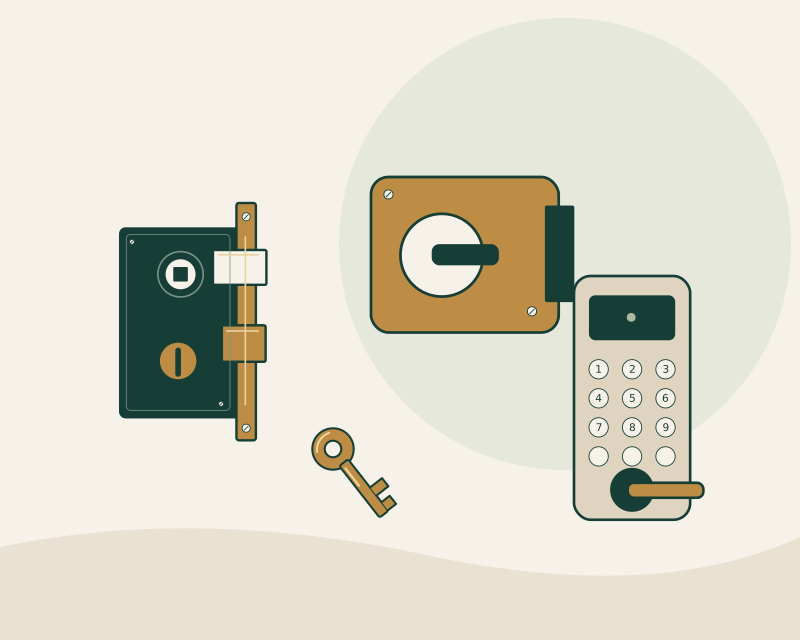
Door lock fitting and replacement in Sudbury starts with matching the hardware to your door. Compare cylinders, mortice locks, nightlatches and digital options before describing the work you want.
Door Locks
Choose the work your property needs
Choose the closest match. You can describe the symptoms even if you do not know the name of the part.
Euro Cylinder Locks
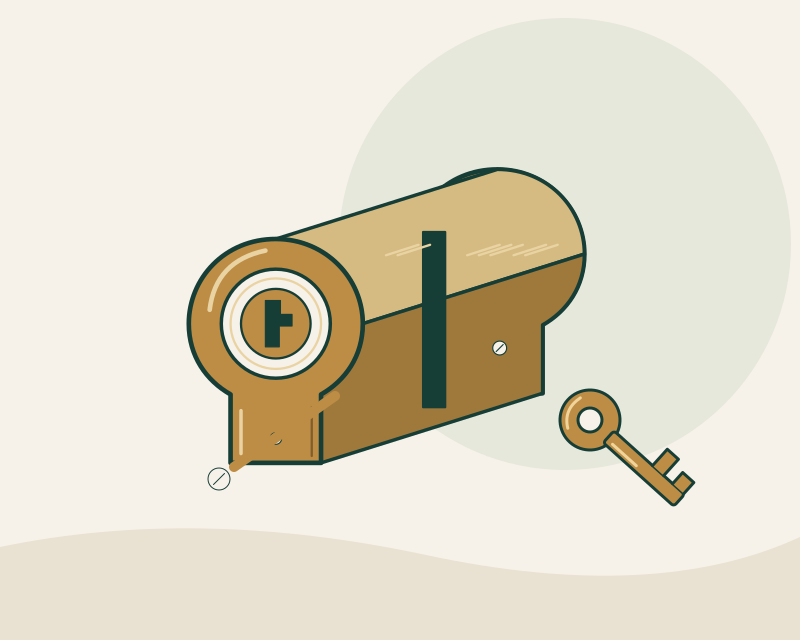
Euro cylinder replacement in Sudbury lets you change the keyed part of a compatible door lock. Check the existing cylinder, required operation and door condition before selecting a replacement.
Mortice Locks
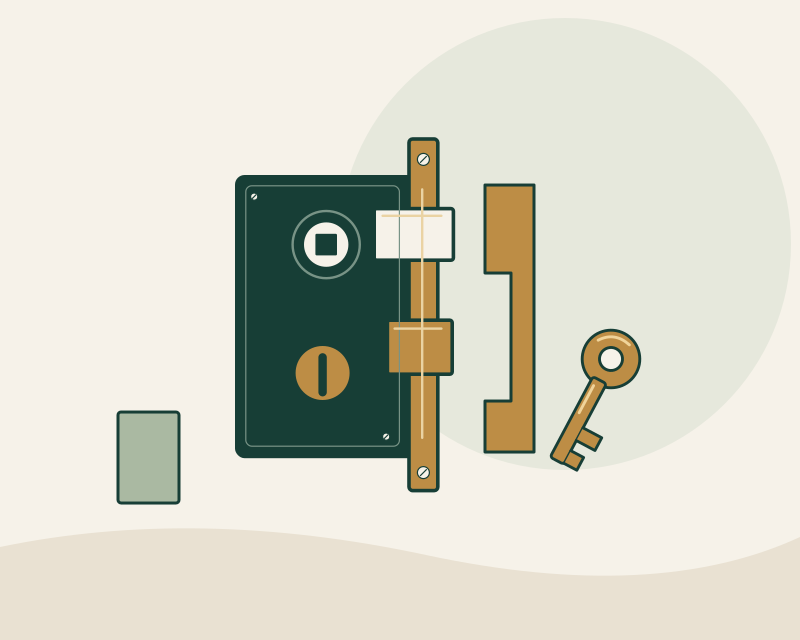
For mortice lock fitting or replacement in Sudbury, the lock case must suit the existing door and fittings. Describe the current lock, its condition and any property-specific requirements.
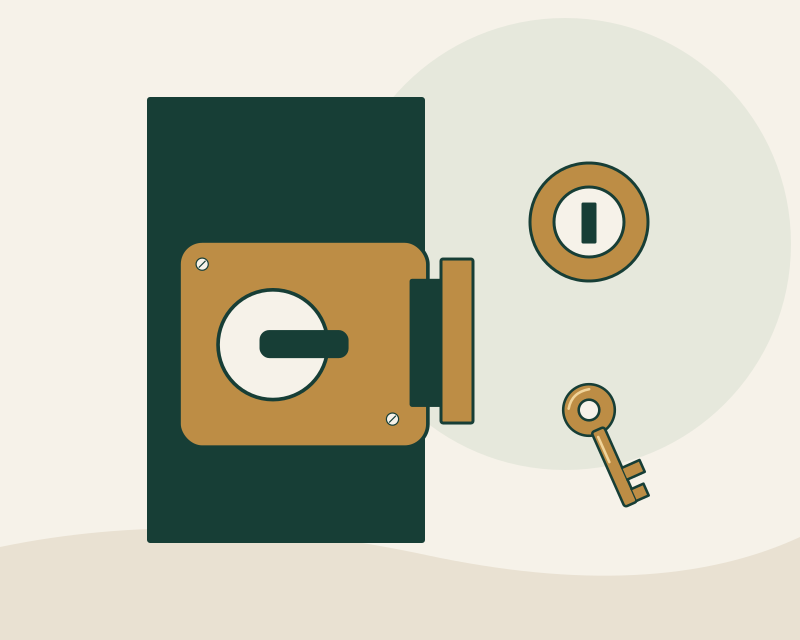
Nightlatches
Nightlatch fitting and replacement in Sudbury covers front door latches that need repair, replacement or different operation. Identify whether the problem affects the outside cylinder, inside latch or the way the door closes.
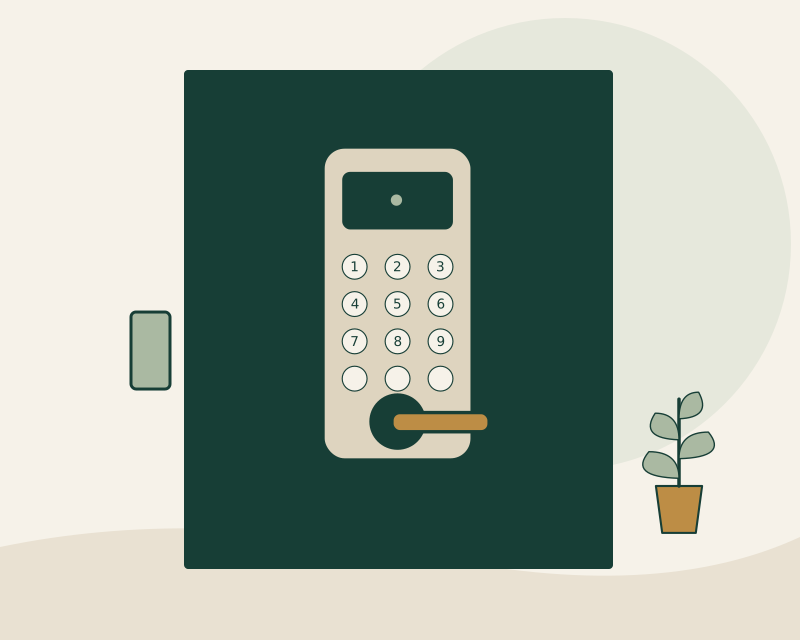
Digital Door Locks
Digital door lock fitting in Sudbury can give a suitable door keypad or connected access. Start with who needs entry, how the door is used and what should happen if power or connectivity fails.
Identify the lock already fitted
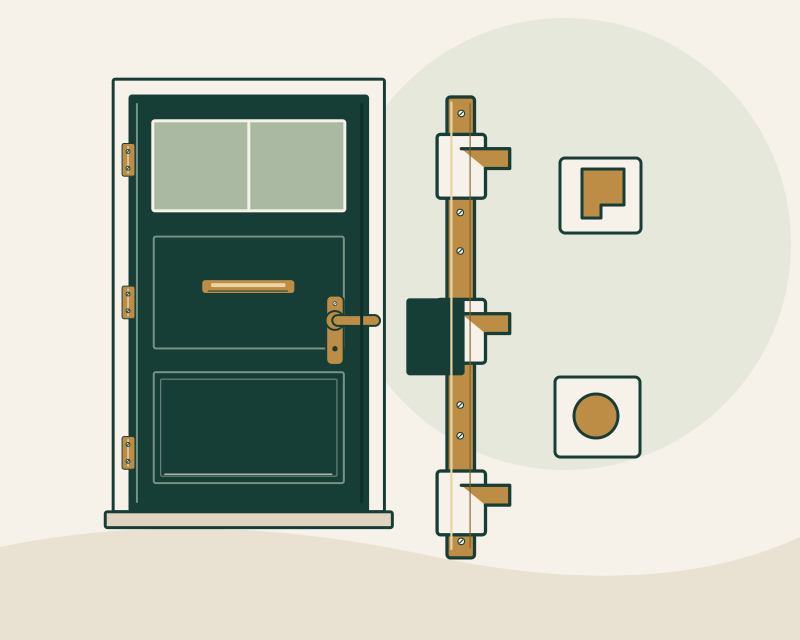
Look at the door and the way you use the key. Some doors have a cylinder that operates a larger mechanism. Others have a lock case inside a timber door or a latch mounted on its inner surface. You can describe what you see without removing hardware to identify it.
Compare cylinders, mortice locks and nightlatches
Euro cylinders are common components within door locking systems. Mortice locks sit within the door edge, while nightlatches are familiar on front doors that latch when closed. Digital locks offer code or electronic operation, with features that vary by product. Each has its own compatibility questions.
Match the lock to the door's requirements
Door material, thickness, existing preparation and the surrounding hardware affect what can be fitted. Keep any manufacturer information and written insurer or building requirements available. A replacement should suit the whole opening, including the way occupants need to enter and leave.
Choose locking operation and key access
Consider everyday use as well as the product label. Who holds keys? Is keyless operation useful? Would one key for several doors suit everyone? For shared or commercial premises, different users may need different permissions, making access-system planning more important than selecting a single lock.
Before arranging lock work
Door lock questions
Can I buy the lock myself and ask someone to fit it?
Check with the fitter first. They need to confirm compatibility and whether they accept customer-supplied parts, including who handles an unsuitable or faulty item.
Does a familiar brand name identify the right replacement?
No. One brand can make several sizes and operating types. The installed hardware and door preparation need checking before a model is selected.
Can changing the lock alter how the door opens from inside?
Yes, depending on the replacement's operation. Make internal release requirements explicit before fitting, particularly on shared or designated escape doors.